


Hundreds of pipeline parts are faulty but 'not an immediate danger'
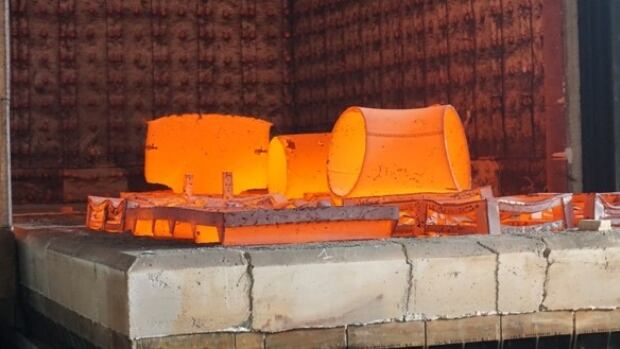
The parts are pipeline fittings, similar to those found in home plumbing such as elbows, tees and reducers, however they are much larger — about one metre in diameter and two metres long. The faulty pipeline fittings should still be able to move oil and gas and withstand the outside pressure caused by storms, floods, earthquakes, temperature changes and other natural events, according to the regulator. A Transportation Safety Board investigation found some pipeline fittings had swelled, although that didn't cause the incident. The different manufacturing method was producing pipeline parts that were weaker than required. The NEB held several workshops with manufactures, pipeline companies and other stakeholders during its investigation.
Source: CBC News September 20, 2018 07:52 UTC


