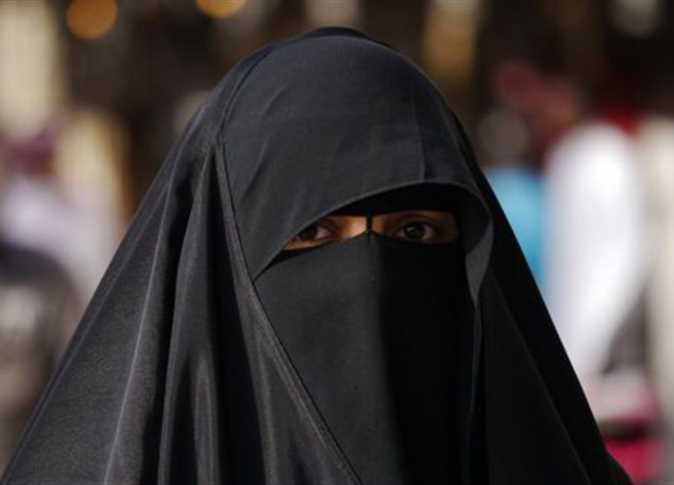
In the mid-1970s in Egypt, the veil was not a sign of chastity and honor, but was among other manifestations that the Islamists introduced. By 2012, Egypt’s minister of higher education said that female students wearing face veils should no longer be banned from the university exams. Instead, students wearing the niqab would be allowed to take their exams after their identities are checked by a female staff member. In 2018, MP Ghada Agamy proposed a bill to the House of Representatives banning the wearing of niqab in public places, and suggested a fine of LE 1,000 for those who disobey. The university justified the decision to ban the face veil by arguing that the niqab negatively impacts the ability of women who wear it to communicate.