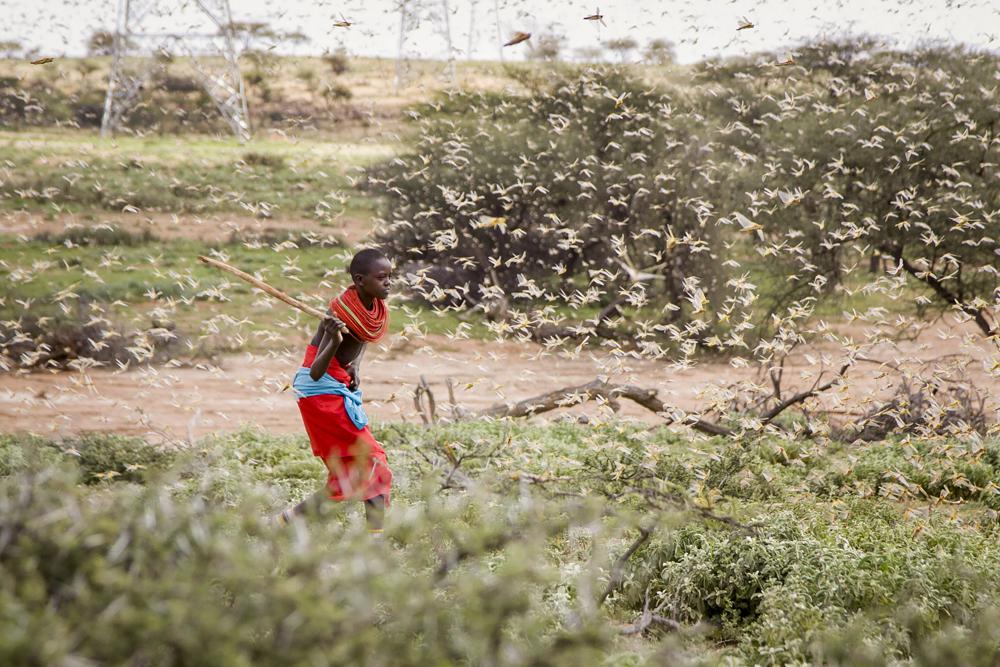
The second part of the Groundswell report published on Monday examines how the impacts of slow-onset climate change such as water scarcity, decreasing crop productivity and rising sea levels could lead to millions of what the report describes as “climate migrants” by 2050 under three different scenarios with varying degrees of climate action and development. The report didn’t look at the short-term impacts of climate change, such as effects on extreme weather eventsThe findings “reaffirm the potency of climate to induce migration within countries,” said Viviane Wei Chen Clement, a Senior Climate Change Specialist at the World Bank and one of the report’s authors. In the worst-case scenario, Sub-Saharan Africa — the most vulnerable region due to desertification, fragile coastlines and the population’s dependence on agriculture — would see the most movement, with up to 86 million climate migrants moving within national borders. The report did not look at climate migration across borders. People affected by conflicts and inequality are also more vulnerable to the impacts of climate change as they have limited means to adapt.