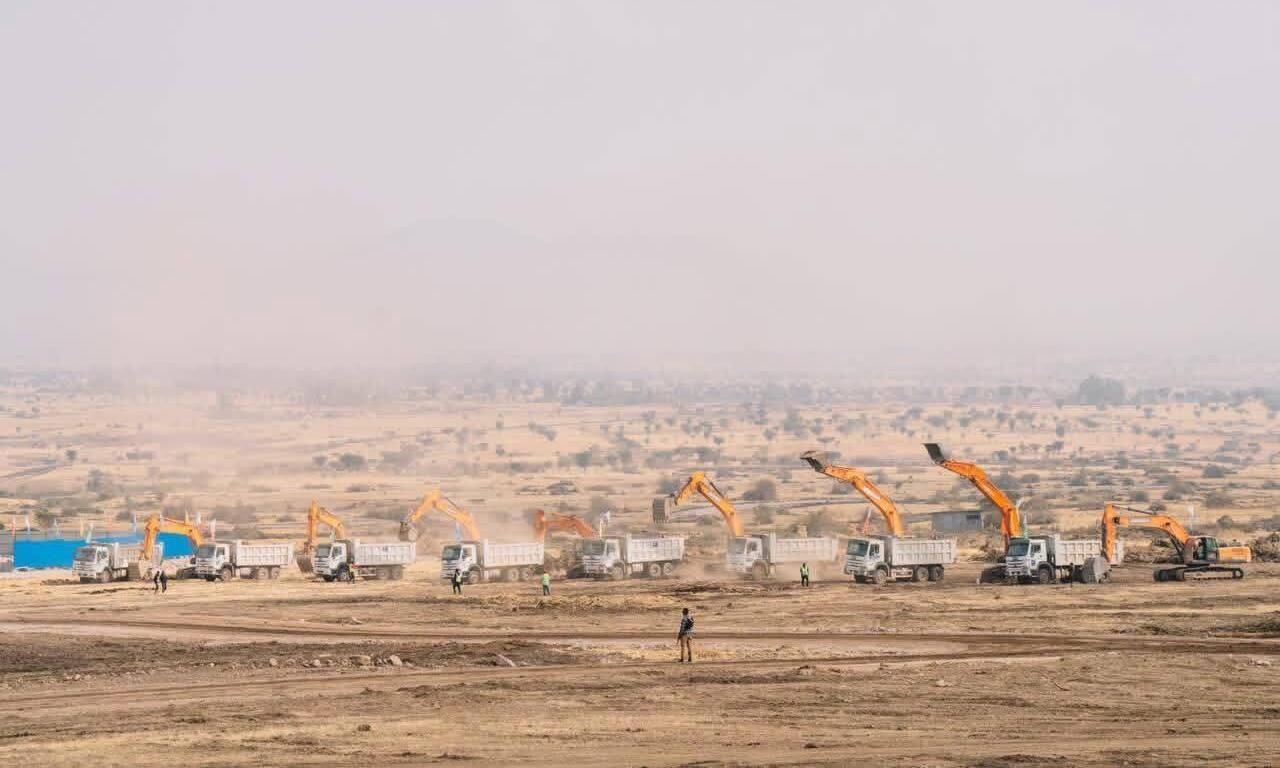
Ethiopian Airlines officially launched construction works on January 10, 2026, for the Bishoftu International Airport. The groundbreaking ceremony was attended by Ethiopian Prime Minister Abiy Ahmed and senior officials. The project is designed to strengthen Africa’s air transport infrastructure and support the continent’s rising passenger and cargo demand.

January 12, 2026 12:27 UTC

HomeNewsSaudi Arabia expels thousands of illegal residents; No news yet about IndiansSaudi Arabia expels thousands of illegal residents; No news yet about IndiansSaudi Arabia is now taking action against those who facilitated the illegal entry of these individuals into the country. (Representational image)New Delhi: A major operation has been launched against people residing illegally in Saudi Arabia. In the first week of January alone, 18,836 illegal residents were arrested in Saudi Arabia, of whom more than 10,000 have already been deported. More than 10 thousand illegal residents deportedThe Saudi Ministry of Interior said that 10,195 people have already been deported. 5,201 people have been transferred to complete travel arrangements before deportation, meaning they will be expelled from Saudi Arabia very soon.

January 12, 2026 12:11 UTC

Construction has officially begun in Bishoftu on what Ethiopia describes as Africa’s biggest airport and the continent’s largest aviation infrastructure project. The airport, expected to reach full capacity by 2030, is projected to handle about 110 million passengers annually. Once completed, the Bishoftu hub will have more than four times the capacity of Addis Ababa’s Bole International Airport, which currently handles up to 25 million passengers a year but is expected to reach saturation within three years. Ethiopia hopes the new airport will help attract foreign tourists despite ongoing armed conflict in its two most populous regions, Amhara and Oromia, where Bishoftu is located. Funding for the Bishoftu airport is expected to come from Ethiopian Airlines, international financiers, and the African Development Bank.

January 12, 2026 11:50 UTC

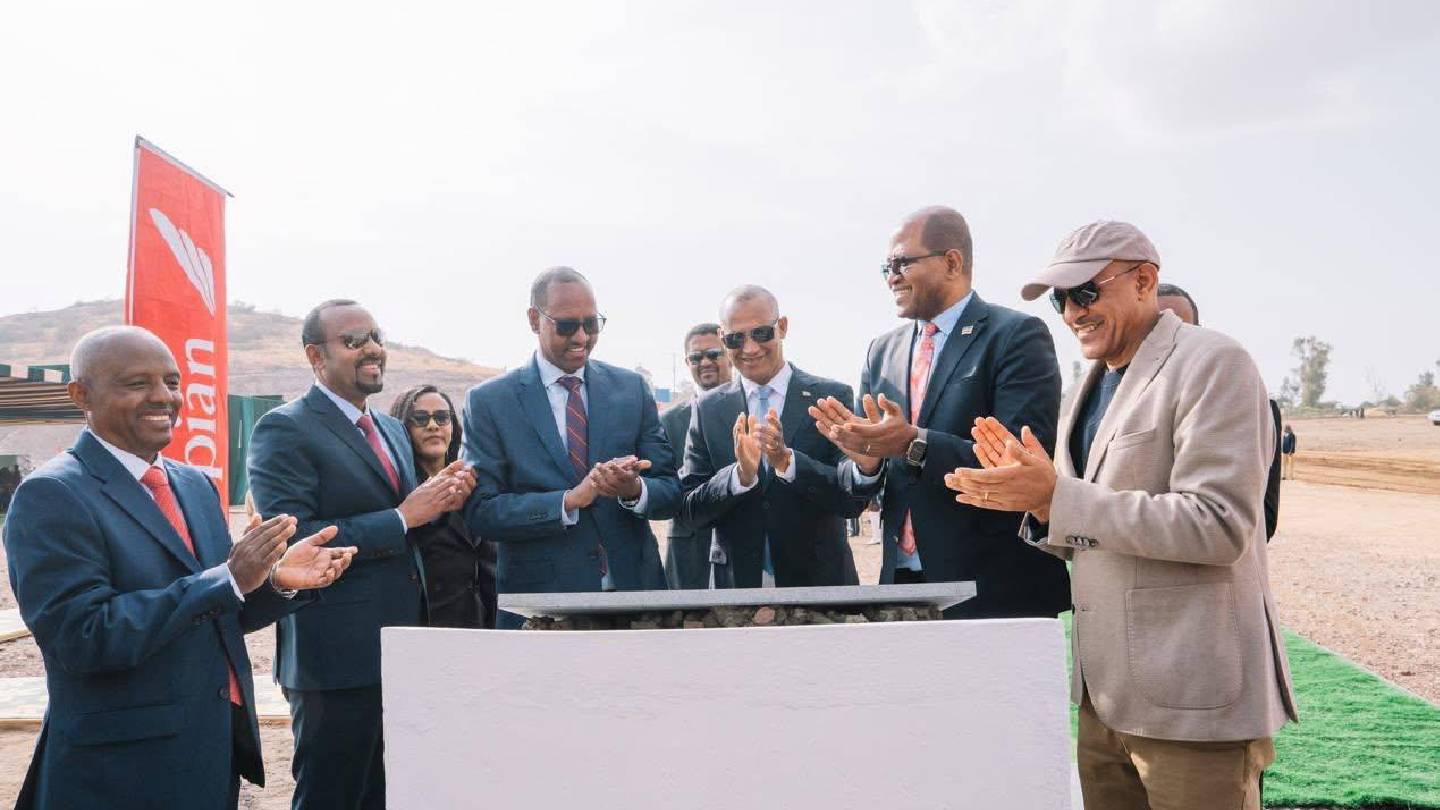
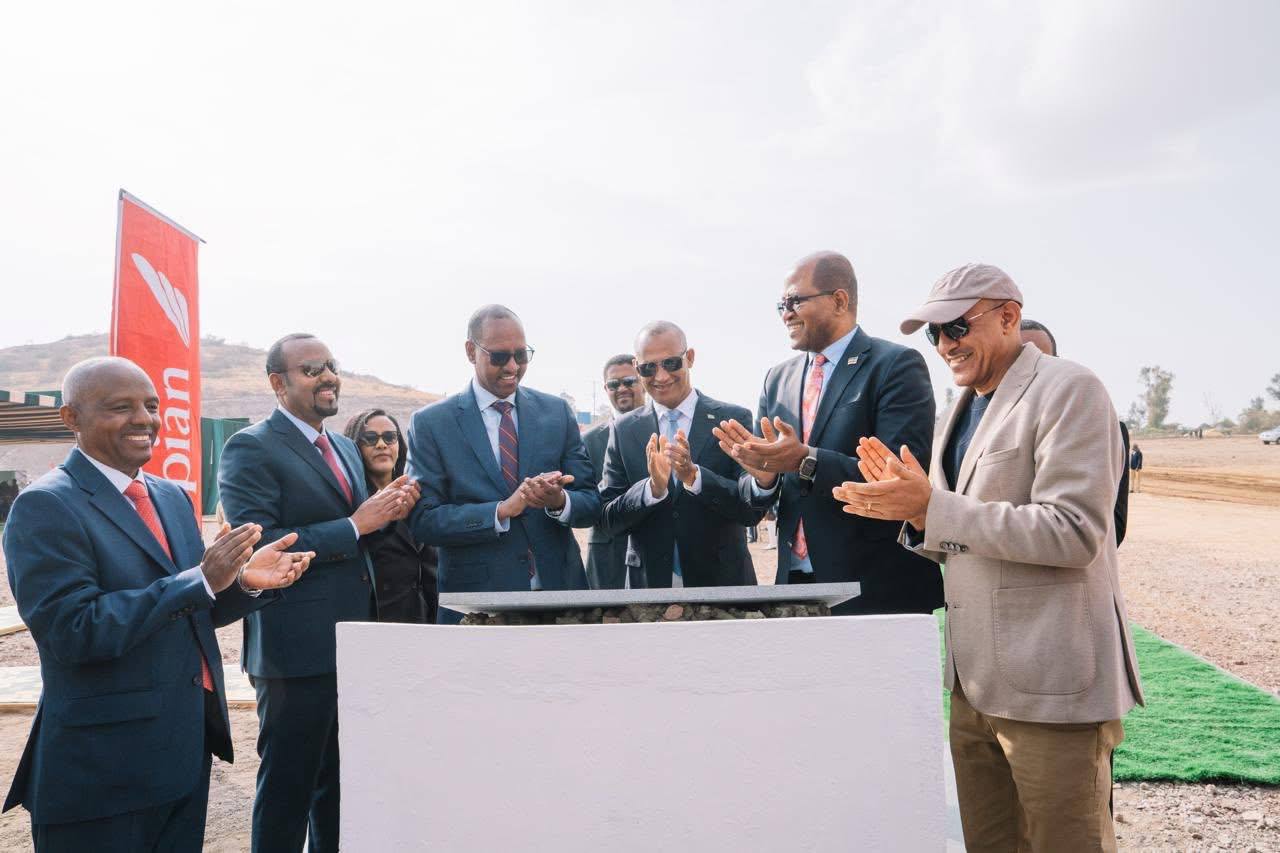
The new airport, to be known as Bishoftu International Airport, will feature four runways and will become the new home of Ethiopian Airlines. Ethiopian Airlines’ involvement in the new airportThose present at the ceremony watched Ethiopian Airlines Group CEO, Mr Mesfin Tasew, place the plaque marking the official commencement of the construction. Photo: Ethiopian Airlines“This is truly a proud moment for Ethiopian Airlines and for all of Africa,” remarked Tasew. “We are embarking on a new chapter with the groundbreaking of Bishoftu International Airport that will redefine the continent’s aviation ecosystem. Photo: Ethiopian AirlinesThe strategic logic underpinning Bishoftu International Airport is the demonstrable success of Ethiopian Airlines.

January 12, 2026 11:46 UTC

Ethiopian Airlines Group, Africa’s largest airline, has officially commenced construction of Bishoftu International Airport, with work beginning on January 10, 2026, following a formal groundbreaking ceremony. The event was attended by Ethiopian Prime Minister Abiy Ahmed, senior ministers, high-level government officials, industry leaders, key stakeholders, and Ethiopian Airlines executives. Ethiopian Prime Minister, alongside high-level government officials, and Ethiopian Airlines Group CEO, Mesfin Tasew, placed the plaque marking the official commencement of the construction. We are embarking on a new chapter with the groundbreaking of Bishoftu International Airport that will redefine the continent’s aviation ecosystem. In his remarks, the Ethiopian Prime Minister described the day as a milestone in Ethiopia’s journey toward modernisation and prosperity.


January 12, 2026 11:01 UTC


Construction of Bishoftu International Airport started on 10 January 2026. Credit: © Ethiopian Airlines. Ethiopian Airlines has announced the start of construction on Bishoftu International Airport (BIA) in Ethiopia, projected to become Africa’s largest aviation infrastructure project. “Bishoftu International Airport (BIA) will be the largest aviation infrastructure project in Africa’s history. Dr Abiy Ahmed attended alongside ministers, senior government officials, industry leaders, stakeholders, and Ethiopian Airlines executives. Ethiopian Airlines Group CEO Mesfin Tasew said: “This is truly a proud moment for Ethiopian Airlines and for all of Africa.

January 12, 2026 10:33 UTC

Etihad Airways carried 22.4 million passengers last year, marking a 21 per cent increase year-on-year as the Abu Dhabi airline continues to expand its route network and demand for travel soars. The rise in passenger numbers is the “highest annual total in the airline’s history”, Etihad’s chief executive Antonoaldo Neves said in a statement on Monday. "Closing the year with a record December reflects the confidence our customers place in our product and service,” Mr Neves said. The airline carried 2.2 million passengers in December, up nearly 28 per cent annually. Etihad expects to become a $9 billion revenue airline, carrying about 25 million passengers in 2026, Mr Neves said during the Dubai Airshow.

January 12, 2026 10:26 UTC

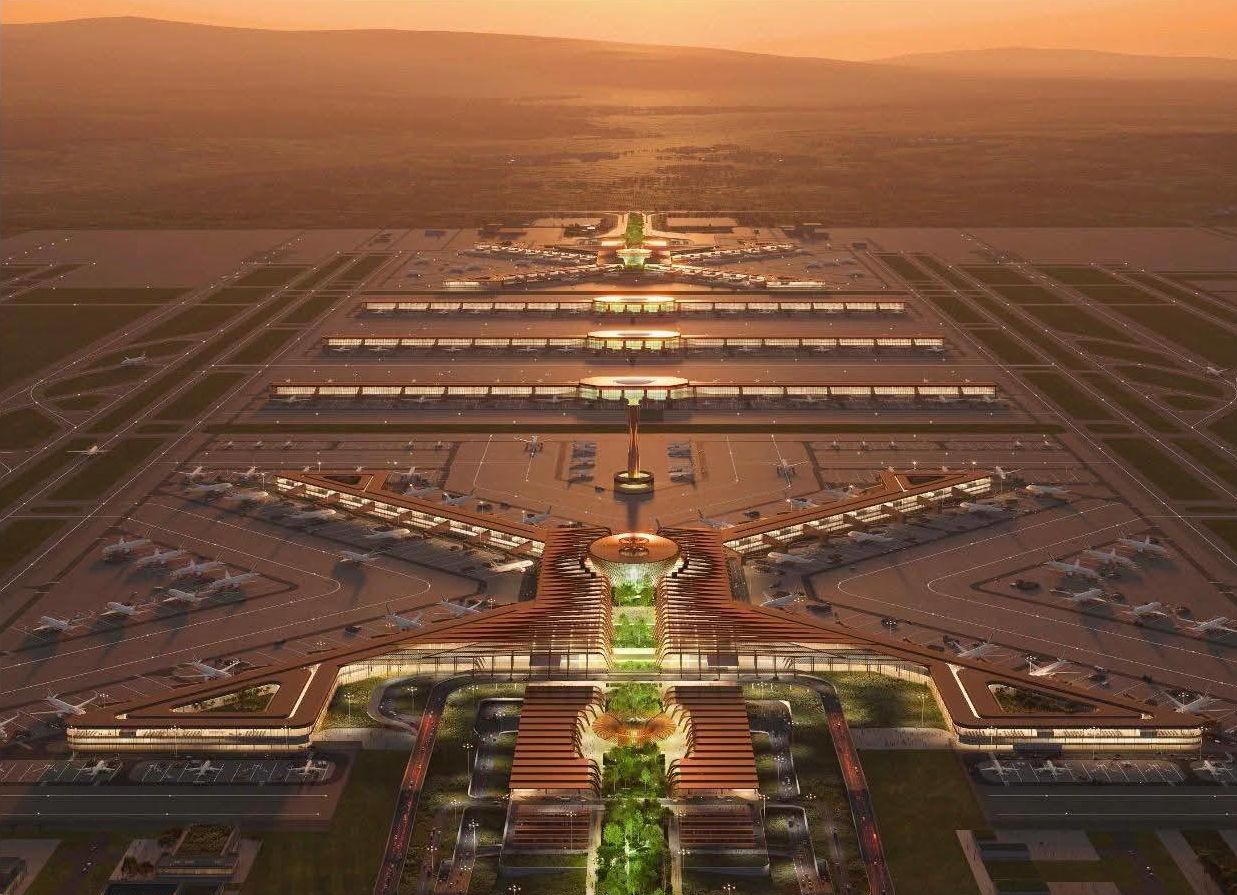
Ethiopian Airlines Group has officially commenced the construction of Bishoftu International Airport, set to be Africa’s largest airport. © Ethiopian AirlinesDuring the ceremony, Ethiopian Airlines presented the design of the new airport and confirmed the completion of the resettlement and livelihood restoration programme for communities affected by the project. Ethiopian Airlines Group CEO Mr. Mesfin Tasew said: This is truly a proud moment for Ethiopian Airlines and for all of Africa. We are embarking on a new chapter with the groundbreaking of Bishoftu International Airport that will redefine the continent’s aviation ecosystem. Bishoftu International Airport is planned as a major aviation and logistics hub, aimed at supporting trade, tourism, and connectivity within Africa and internationally.

January 12, 2026 10:26 UTC

Ethiopia is significantly scaling up its investment in water infrastructure to ensure reliable access for households, industry, and the agricultural sector. In a statement shared on its official social media account, the Office of the Prime Minister highlighted the nation's comprehensive approach to water resource management. The office noted that current initiatives are designed to bridge the gap in water accessibility while fostering long-term economic resilience and food security. Follow us on WhatsApp | LinkedIn for the latest headlines"Ethiopia is actively investing in water infrastructure to improve access to safe and reliable water for households, agriculture, and industry," the Office of the Prime Minister stated. By integrating sustainable management practices, the government seeks to create an equitable distribution of water resources, ensuring that the foundation for Ethiopia's future growth remains secure and inclusive for all citizens.

January 12, 2026 09:33 UTC

Today, however, great powers frequently violate UNSC peace mandates, transforming the Security Council into a battleground for power politics rather than a guardian of collective security. While the Charter’s ideals of equality and collective enforcement remain aspirational, practice is heavily influenced by superpower rivalry and self-interest. Global shifts since 1945 have underscored the limitations of the UN Security Council veto in a multipolar world. This concentration of veto power entrenches the power structures of 1945, despite the P5’s outdated representation. Ultimately, reforming the UN Security Council veto must address the paradox of a mechanism designed to safeguard great-power consensus that now routinely allows narrow national interests to undermine collective security.

January 11, 2026 16:32 UTC

NewsEthiopia begins construction of Africa’s largest airport near Addis AbabaBishoftu airport planned to handle 110 million passengers annuallyProject costs over $12.5 billion, backed by Ethiopian Airlines, lendersEthiopia has officially launched construction of a new airport that is intended to become Africa’s largest when completed in 2030. The first phase will handle 60 million passengers a year, before capacity is gradually expanded to 110 million passengers annually. This would mark a significant increase compared with Bole International Airport, currently the country’s main international gateway. These are currently dominated by long-established airports, including Cairo International Airport, Johannesburg’s OR Tambo Airport, Cape Town International Airport, and Casablanca’s Mohammed V Airport. These hubs account for the bulk of international air traffic and shape the continent’s connectivity with the rest of the world.

January 11, 2026 14:43 UTC

Ethiopia’s Prime Minister Abiy Ahmed arrived in Djibouti’s capital, Djibouti City, on Sunday for talks with President Ismail Omar Guelleh, following a recent thaw in relations between the two countries. In a post on X, Abiy said he had been “warmly received” by Djibouti’s President Ismail Omar Guelleh, adding that their discussions covered geopolitical developments, regional peace and security, and closer bilateral cooperation, particularly in trade, logistics, and development. The visit comes amid regional tensions following Ethiopia’s agreement with Somaliland on access to the sea and Israel’s recent recognition of Somaliland, a move Djibouti has described as a threat to regional stability. He said Abiy’s visit was aimed at countering what he described as a growing Egyptian footprint in Djibouti following the Cairo-Djibouti port agreements. Prime Minister Abiy Ahmed, accompanied by a delegation, visited Djibouti’s Doraleh Multi-Purpose Port and Horizon Oil Terminal to observe operations supporting the handling of Ethiopian cargo.

January 11, 2026 13:44 UTC

DJIBOUTI — Ethiopian Prime Minister Abiy Ahmed arrived in Djibouti on Sunday, where he was received by President Ismaïl Omar Guelleh for high-level talks focused on regional security and strengthening bilateral ties, officials said. The two leaders discussed geopolitical developments in the Horn of Africa, regional peace and security, and ways to deepen cooperation between their countries, according to a statement and remarks shared by Abiy on social media. “Discussions focused on geopolitical dynamics, regional peace and security, and strengthening bilateral cooperation, particularly in trade, logistics, and development,” Abiy said, adding that the talks reaffirmed a shared commitment to stability, economic integration and mutual prosperity. Landlocked Ethiopia relies heavily on Djibouti’s ports for the bulk of its imports and exports, making trade and logistics a cornerstone of relations between the neighbours. The visit comes amid ongoing regional efforts to address security challenges and boost economic integration across the Horn of Africa, where Djibouti plays a key strategic role as a major shipping hub and diplomatic centre.

January 11, 2026 12:41 UTC

Ethiopia’s 800 million Birr trucking industry still runs largely on phone calls, paper documents and cash deals struck at crowded truck stations, leaving small shippers overpaying and many trucks running empty on key routes like the Ethiopia–Djibouti corridor. Capital: What specific value does TOLO bring separately to shippers, carriers, and brokers, and which group was the hardest to convince? Capital: How does your platform change price transparency and bargaining power for small shippers outside major truck stations? If you’re a small shipper in, say, Hawassa or Bahir Dar, you’ve historically been at a massive disadvantage. A small shipper with a low-value load doesn’t need to pay for Premium protection.

January 11, 2026 12:24 UTC

An Ethiopian Airlines visualization of the new Bishoftu International Airport, now under construction. The ceremony in Abbuu Seeraa, Bishoftu, was attended by Deputy Prime Minister Temesgen Tiruneh, Oromia Regional President Shimelis Abdisa, and Ethiopian Airlines Group CEO Mesfin Tasew. He added that the project would bolster the African Continental Free Trade Area (AfCFTA) and enhance Ethiopia's global competitiveness. According to the OLF, residents were forced to leave without harvesting crops, moving property, or selling livestock, and were resettled in Dhibaayyuu, Bishoftu. The OLF argued that without equity and essential infrastructure--such as schools and clinics at resettlement sites--the project risks being seen as a symbol of "human rights violations" rather than national progress.

January 11, 2026 11:33 UTC