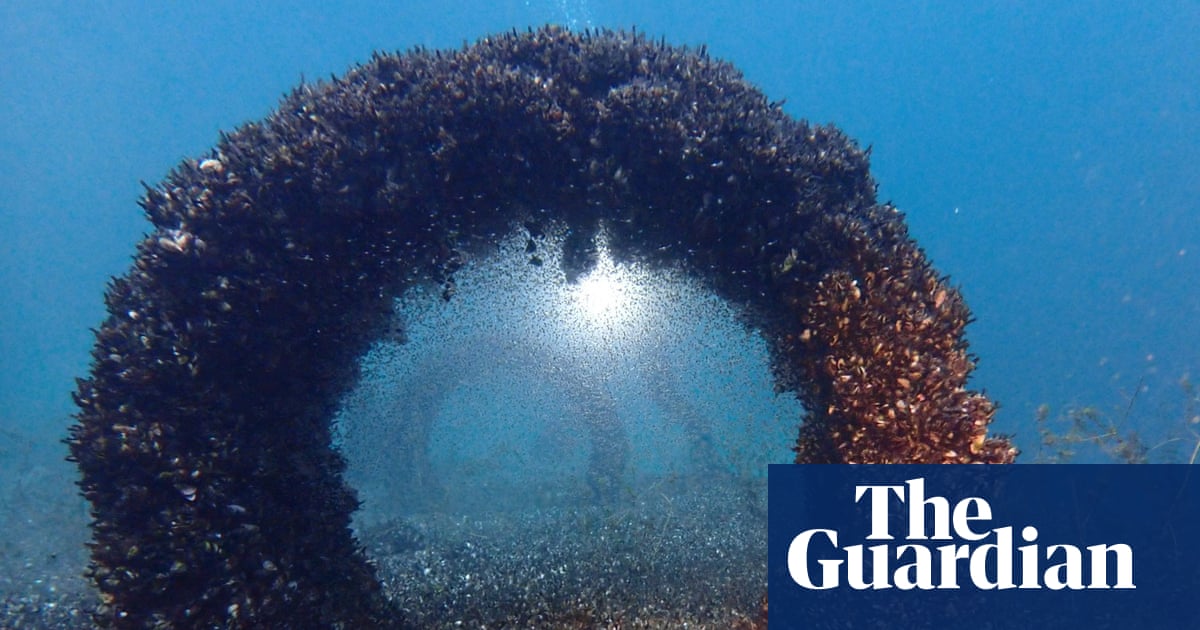
‘It’s a meadow of quaggas’From a floating research station on Lake Geneva, the lake looks as it always has, with snow-capped mountains tumbling into its dark waters. The highest density was found in Lake Geneva, with an average of 4,000 quagga mussels a square metre across the whole lake. In 2022, researchers found 98.9% of samples were quagga mussels, and in a 2024 survey, they exclusively scooped up quagga mussels – nothing else. After thousands of years of stability, Lake Geneva is undergoing a period of huge and irreversible change in the space of just a decade. Ibelings says: “Going back is a fairytale, because of quagga mussels and climate change.

December 18, 2025 06:31 UTC

‘It’s a meadow of quaggas’From a floating research station on Lake Geneva, the lake looks as it always has, with snow-capped mountains tumbling into its dark waters. The highest density was found in Lake Geneva, with an average of 4,000 quagga mussels a square metre across the whole lake. In 2022, researchers found 98.9% of samples were quagga mussels, and in a 2024 survey, they exclusively scooped up quagga mussels – nothing else. After thousands of years of stability, Lake Geneva is undergoing a period of huge and irreversible change in the space of just a decade. Ibelings says: “Going back is a fairytale, because of quagga mussels and climate change.

December 18, 2025 06:31 UTC

‘It’s a meadow of quaggas’From a floating research station on Lake Geneva, the lake looks as it always has, with snow-capped mountains tumbling into its dark waters. The highest density was found in Lake Geneva, with an average of 4,000 quagga mussels a square metre across the whole lake. In 2022, researchers found 98.9% of samples were quagga mussels, and in a 2024 survey, they exclusively scooped up quagga mussels – nothing else. After thousands of years of stability, Lake Geneva is undergoing a period of huge and irreversible change in the space of just a decade. Ibelings says: “Going back is a fairytale, because of quagga mussels and climate change.

December 18, 2025 06:31 UTC

‘It’s a meadow of quaggas’From a floating research station on Lake Geneva, the lake looks as it always has, with snow-capped mountains tumbling into its dark waters. The highest density was found in Lake Geneva, with an average of 4,000 quagga mussels a square metre across the whole lake. In 2022, researchers found 98.9% of samples were quagga mussels, and in a 2024 survey, they exclusively scooped up quagga mussels – nothing else. After thousands of years of stability, Lake Geneva is undergoing a period of huge and irreversible change in the space of just a decade. Ibelings says: “Going back is a fairytale, because of quagga mussels and climate change.

December 18, 2025 06:31 UTC

‘It’s a meadow of quaggas’From a floating research station on Lake Geneva, the lake looks as it always has, with snow-capped mountains tumbling into its dark waters. The highest density was found in Lake Geneva, with an average of 4,000 quagga mussels a square metre across the whole lake. In 2022, researchers found 98.9% of samples were quagga mussels, and in a 2024 survey, they exclusively scooped up quagga mussels – nothing else. After thousands of years of stability, Lake Geneva is undergoing a period of huge and irreversible change in the space of just a decade. Ibelings says: “Going back is a fairytale, because of quagga mussels and climate change.

December 18, 2025 06:31 UTC


‘It’s a meadow of quaggas’From a floating research station on Lake Geneva, the lake looks as it always has, with snow-capped mountains tumbling into its dark waters. The highest density was found in Lake Geneva, with an average of 4,000 quagga mussels a square metre across the whole lake. In 2022, researchers found 98.9% of samples were quagga mussels, and in a 2024 survey, they exclusively scooped up quagga mussels – nothing else. After thousands of years of stability, Lake Geneva is undergoing a period of huge and irreversible change in the space of just a decade. Ibelings says: “Going back is a fairytale, because of quagga mussels and climate change.

December 18, 2025 06:31 UTC

‘It’s a meadow of quaggas’From a floating research station on Lake Geneva, the lake looks as it always has, with snow-capped mountains tumbling into its dark waters. The highest density was found in Lake Geneva, with an average of 4,000 quagga mussels a square metre across the whole lake. In 2022, researchers found 98.9% of samples were quagga mussels, and in a 2024 survey, they exclusively scooped up quagga mussels – nothing else. After thousands of years of stability, Lake Geneva is undergoing a period of huge and irreversible change in the space of just a decade. Ibelings says: “Going back is a fairytale, because of quagga mussels and climate change.

December 18, 2025 06:31 UTC

‘It’s a meadow of quaggas’From a floating research station on Lake Geneva, the lake looks as it always has, with snow-capped mountains tumbling into its dark waters. The highest density was found in Lake Geneva, with an average of 4,000 quagga mussels a square metre across the whole lake. In 2022, researchers found 98.9% of samples were quagga mussels, and in a 2024 survey, they exclusively scooped up quagga mussels – nothing else. After thousands of years of stability, Lake Geneva is undergoing a period of huge and irreversible change in the space of just a decade. Ibelings says: “Going back is a fairytale, because of quagga mussels and climate change.

December 18, 2025 06:31 UTC

‘It’s a meadow of quaggas’From a floating research station on Lake Geneva, the lake looks as it always has, with snow-capped mountains tumbling into its dark waters. The highest density was found in Lake Geneva, with an average of 4,000 quagga mussels a square metre across the whole lake. In 2022, researchers found 98.9% of samples were quagga mussels, and in a 2024 survey, they exclusively scooped up quagga mussels – nothing else. After thousands of years of stability, Lake Geneva is undergoing a period of huge and irreversible change in the space of just a decade. Ibelings says: “Going back is a fairytale, because of quagga mussels and climate change.

December 18, 2025 06:31 UTC

‘It’s a meadow of quaggas’From a floating research station on Lake Geneva, the lake looks as it always has, with snow-capped mountains tumbling into its dark waters. The highest density was found in Lake Geneva, with an average of 4,000 quagga mussels a square metre across the whole lake. In 2022, researchers found 98.9% of samples were quagga mussels, and in a 2024 survey, they exclusively scooped up quagga mussels – nothing else. After thousands of years of stability, Lake Geneva is undergoing a period of huge and irreversible change in the space of just a decade. Ibelings says: “Going back is a fairytale, because of quagga mussels and climate change.

December 18, 2025 06:31 UTC

‘It’s a meadow of quaggas’From a floating research station on Lake Geneva, the lake looks as it always has, with snow-capped mountains tumbling into its dark waters. The highest density was found in Lake Geneva, with an average of 4,000 quagga mussels a square metre across the whole lake. In 2022, researchers found 98.9% of samples were quagga mussels, and in a 2024 survey, they exclusively scooped up quagga mussels – nothing else. After thousands of years of stability, Lake Geneva is undergoing a period of huge and irreversible change in the space of just a decade. Ibelings says: “Going back is a fairytale, because of quagga mussels and climate change.

December 18, 2025 06:31 UTC

‘It’s a meadow of quaggas’From a floating research station on Lake Geneva, the lake looks as it always has, with snow-capped mountains tumbling into its dark waters. The highest density was found in Lake Geneva, with an average of 4,000 quagga mussels a square metre across the whole lake. In 2022, researchers found 98.9% of samples were quagga mussels, and in a 2024 survey, they exclusively scooped up quagga mussels – nothing else. After thousands of years of stability, Lake Geneva is undergoing a period of huge and irreversible change in the space of just a decade. Ibelings says: “Going back is a fairytale, because of quagga mussels and climate change.

December 18, 2025 06:31 UTC

‘It’s a meadow of quaggas’From a floating research station on Lake Geneva, the lake looks as it always has, with snow-capped mountains tumbling into its dark waters. The highest density was found in Lake Geneva, with an average of 4,000 quagga mussels a square metre across the whole lake. In 2022, researchers found 98.9% of samples were quagga mussels, and in a 2024 survey, they exclusively scooped up quagga mussels – nothing else. After thousands of years of stability, Lake Geneva is undergoing a period of huge and irreversible change in the space of just a decade. Ibelings says: “Going back is a fairytale, because of quagga mussels and climate change.

December 18, 2025 06:31 UTC

The five-time world champion Raymond van Barneveld was left stunned after falling to a straight-sets defeat by Switzerland’s Stefan Bellmont in their first-round clash at Alexandra Palace. Bellmont produced the performance of his career to become the first Swiss player win a match at the World Darts Championship. The 36-year-old from Cham hopes that his success will inspire a wave of darts enthusiasts in his home country. View image in fullscreen Raymond van Barneveld cuts a forlorn figure as he leaves the stage. Photograph: Bradley Collyer/PAJames Wade, the world No 7 who is a four-time semi-finalist at Alexandra Palace, brushed aside Japan’s Ryusei Azemoto in straight sets.

December 18, 2025 02:06 UTC

The five-time world champion Raymond van Barneveld was left stunned after falling to a straight-sets defeat by Switzerland’s Stefan Bellmont in their first-round clash at Alexandra Palace. Bellmont produced the performance of his career to become the first Swiss player win a match at the World Darts Championship. The 36-year-old from Cham hopes that his success will inspire a wave of darts enthusiasts in his home country. View image in fullscreen Raymond van Barneveld cuts a forlorn figure as he leaves the stage. Photograph: Bradley Collyer/PAJames Wade, the world No 7 who is a four-time semi-finalist at Alexandra Palace, brushed aside Japan’s Ryusei Azemoto in straight sets.

December 18, 2025 02:06 UTC