
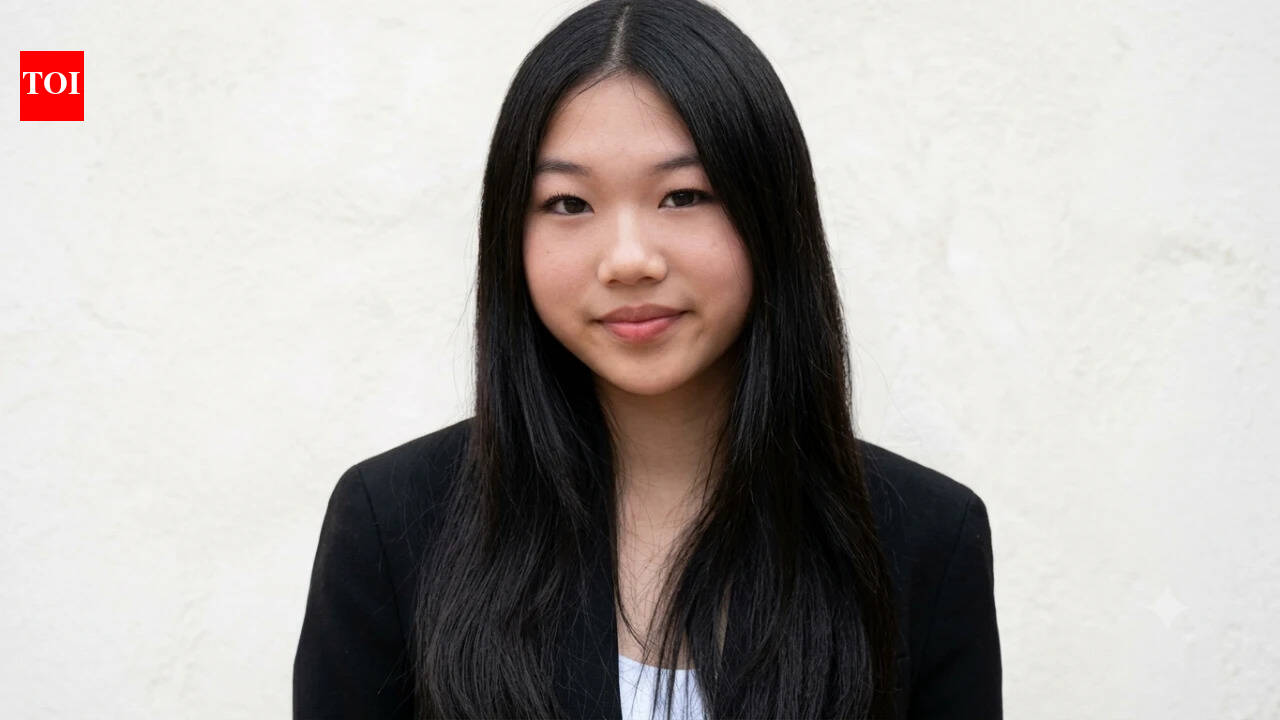
Meet Kelly Liu: The 16-year-old San Jose student who used AI to map dirty air, put pollution sensors in underserved schools and helped push a countywide policy change
The 16-year-old student decided to fill that gap by combining artificial intelligence, low-cost pollution sensors and community organising. Her work mapped local air quality, brought monitoring devices to underserved schools and helped build pressure for stronger countywide action. Instead of discussing air quality only through countywide averages, Kelly could show how exposure might vary from one school to another. Kelly’s work therefore moved beyond digital analysis and into direct community monitoring.Kelly helped place pollution sensors at schools in communities that are often underrepresented in environmental data. It also recognises that pollution does not stop at school boundaries.Children are particularly vulnerable to air pollution because their lungs and bodies are still developing.
Source: Times of India September 12, 2026 20:25 UTC