70 years on, Israel facing different kind of conflict
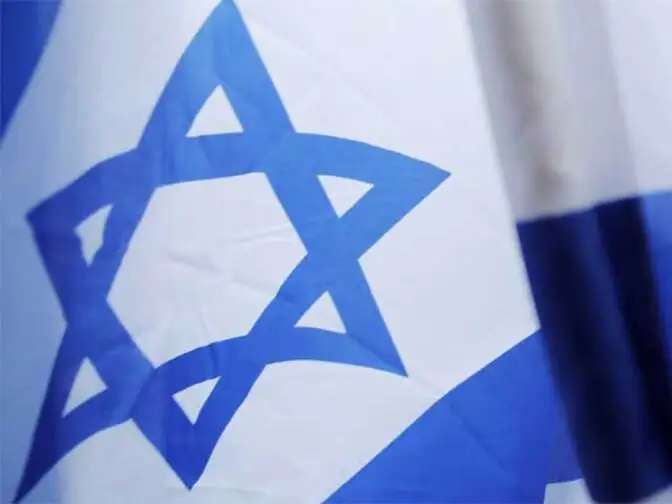
JERUSALEM: Israel has built a high-tech economy, forged the region's strongest military and fended off enemies surrounding it in the 70 years since its creation, but many think it faces a new threat: itself.The 70th anniversary of the establishment of the state of Israel on May 14 comes with the country in a tug-of-war between those who want it modelled more on Jewish religious values and others who say that will put its future as a democracy at risk. "Israelis are bound by fate. "Israeli democracy is alive, breathing and kicking, and it is stronger than all its critics and all its eulogisers," Justice Minister Ayelet Shaked, of the religious nationalist Jewish Home party, has said.An early landmark in the debate over Israel's Jewish nature occurred in 1947, before the state was even created.That was when the secular Zionist leadership and ultra-Orthodox Jewish representatives agreed to maintain a status quo on matters related to religion and state.It granted the ultra-Orthodox -- strictly religious Jews -- power over personal law such as marriage and instituted respect for the Sabbath, or weekly day of rest.The agreement remained when Israel published its declaration of independence on May 14, 1948 reflecting the aspiration to embrace democratic values while stressing the newborn nation's Jewish nature.Israel does not have a formal constitution, but does have a de facto one, called its "basic laws".In 1992, parliament passed two basic laws enshrining Israel's values as "Jewish and democratic" and necessitating any legislation to conform to those terms. "Israel was established so that the Jewish people, who have nearly never felt at home in the world, would finally have a home," Grossman said. "And now, 70 years later, strong Israel may be a fortress, but it is not yet a home."
Source: Economic Times May 08, 2018 10:30 UTC