




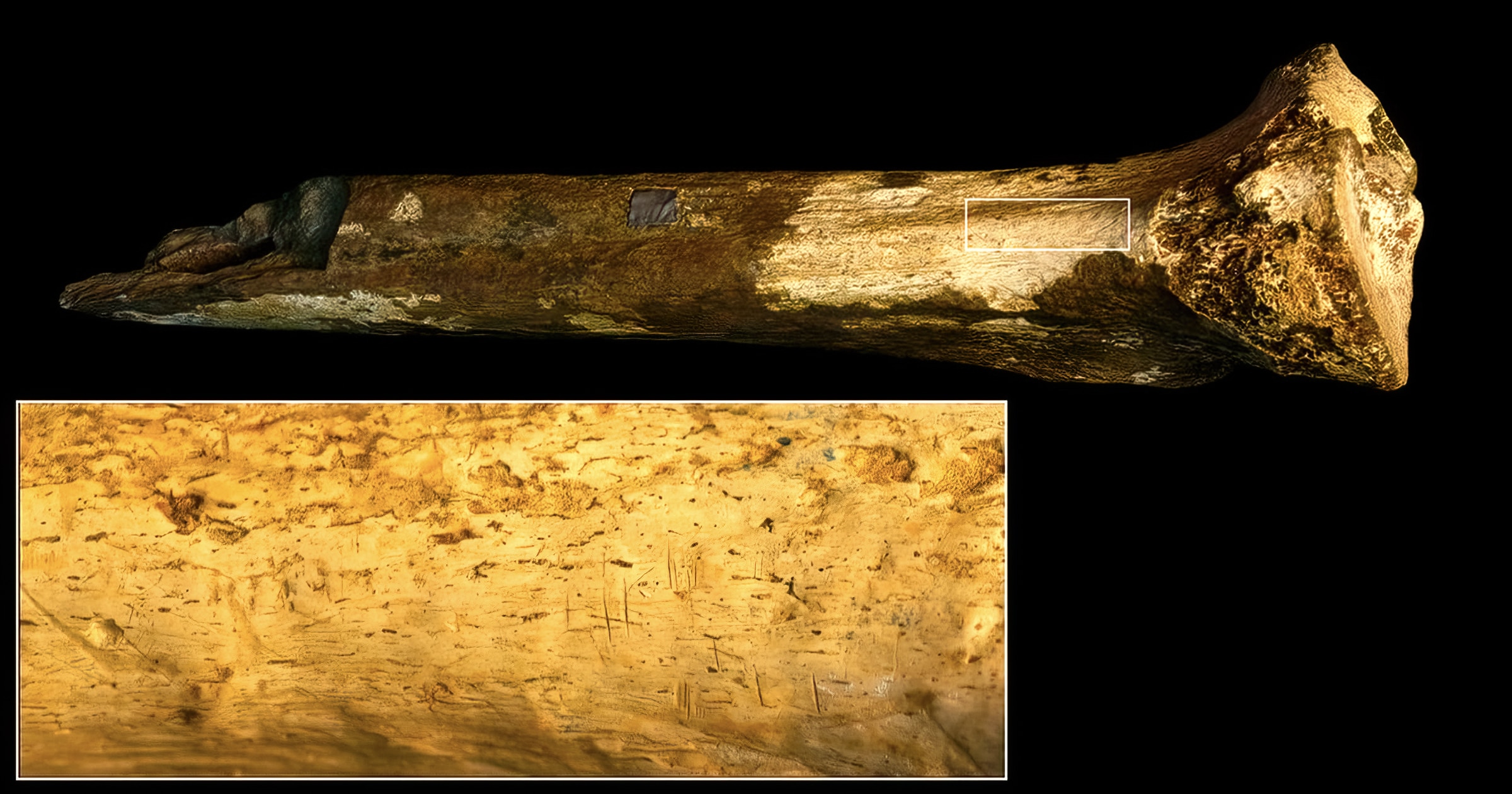
Fossil Friday: Another Prediction Vindicated
It was first considered as belonging to Australopithecus (Leakey 1971, Leakey & Leakey 1977), but later attributed to Homo erectus (Walker & Leakey 1993). (2023) cautioned that “due to the taxonomic uncertainty of this fossil, we simply refer to it in this study as a hominin (hominin gen. et sp. Even though this fossil is slightly younger than the youngest known finds of Homo habilis, it is still contemporary with other ape-like hominins of the genera Australopithecus and Paranthropus. Considering its taxonomic uncertainty, the bone more likely belonged to an australopithecine-like Homo habilis than to a contemporary member of genuine Homo erectus (= Homo ergaster), who could rather have been the hunter. Anyway, this case arguably represents yet another empirical prediction by Darwin critics, which is vindicated by modern science, confirming a consistent pattern that I recently emphasized in another article for Fossil Friday (Bechly 2023b).
Source: New York Times July 28, 2023 13:57 UTC