Lapid bill to allow scanning, conversion of textbooks to e-books
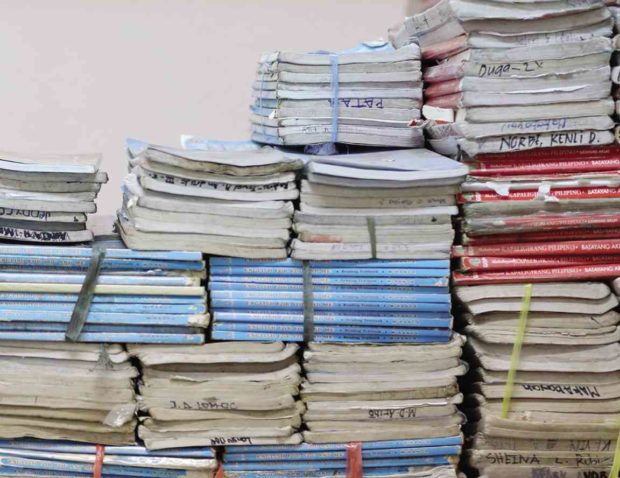
He pointed out that even in the current blended learning set-up, sharing of learning materials among groups of students is still a common scenario “because of the shortage of printed modules.”“Similar to the textbook scenario pre-pandemic, the modules cannot be distributed in 1:1 ratio,” he said. Further, Lapid said it would be better for books to be available digitally with the threat of the novel coronavirus. “Sa panahong ito na delikado ang paglaganap ng COVID-19 virus, mas mainam kung maisalin na lamang sa e-books o digital format ang mga libro para ligtas ang bawat estudyante at magagamit nila ito gaano man nila kadalas kailanganin nang hindi nagmamadali dahil may iba pa silang kaklase na kailangang manghiram ng module o libro,” he said in a separate statement on Monday. (In a time that the threat of the COVID virus is very much present, it’s better for these books to be converted into e-books and other digital formats so that each student would be safe from infection and that the students will have enough time to study because they won’t have to rush because another student needs to borrow the module or book.) While the budgetary support to address these problems in printing, publishing and distribution of learning modules and textbooks must be prioritized, Lapid stressed that it is “important for the government to take initiative in using already available technologies and innovations that can temporarily fill the gap.”An example of such technology, he added, is the digitization of textbooks and modules into electronic copies or e-books and other digital formats.
Source: Philippine Daily Inquirer October 19, 2020 05:03 UTC