



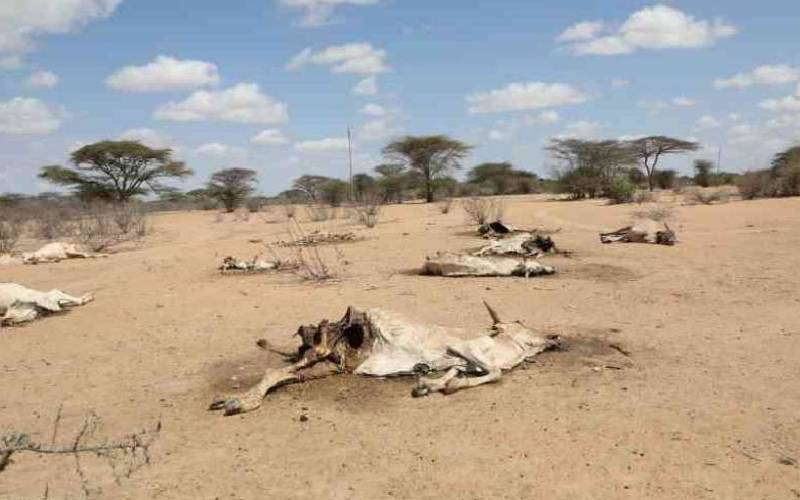
Recurring dry spells expose northern Kenya to insecurity
Porous borders with Somalia, particularly in the north-eastern counties, allow non-state armed groups and violent extremist networks to infiltrate. Economic and political grievances in these communities, exacerbated by slow climate adaptation responses, have created fertile ground for extremist narratives. As communities perceive government inaction on climate adaptation, extremist networks exploit by promoting anger and mistrust towards the state. The research report underscores that Preventing and Countering Violent Extremism (PCVE) and climate adaptation initiatives require more than isolated efforts. Community-based resilience strategies are essential to preventing violent extremism, especially where climate change creates additional risks.
Source: Standard Digital April 11, 2026 22:30 UTC