


Scientists have created mini brains containing Neanderthal DNA
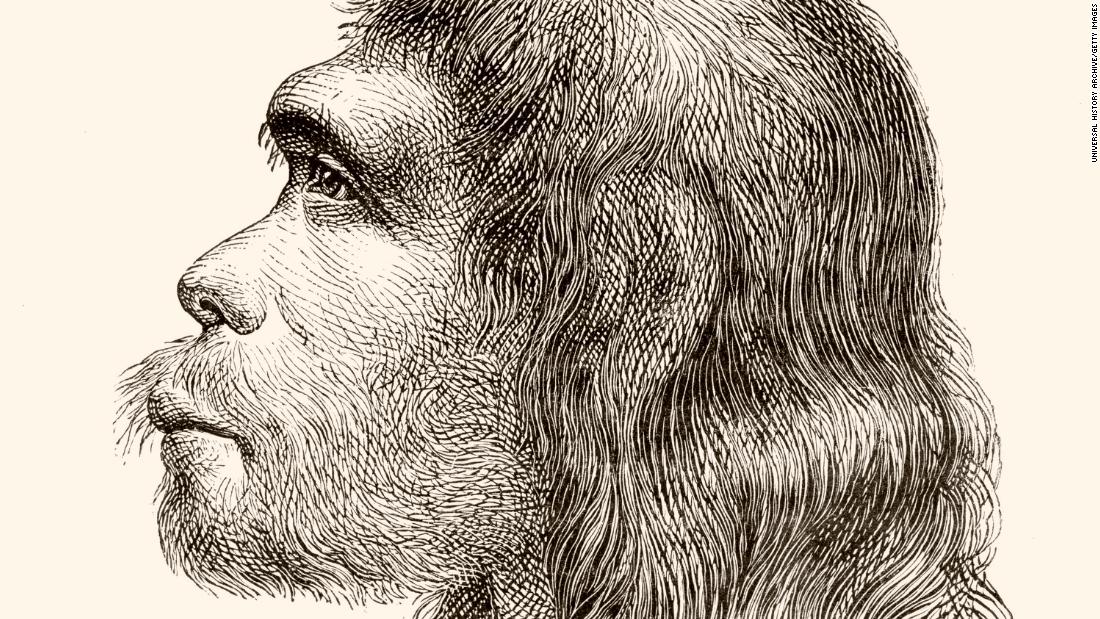
(CNN) We now know that many of us are part Neanderthal, with our genes carrying traces of past encounters between our early ancestors and the Stone Age hominins that populated Europe until around 40,000 years ago. The evidence that early humans interbred with Neanderthals emerged in 2010 after scientists led by geneticist Svante Pääbo pioneered methods to extract, sequence and analyze ancient DNA from Neanderthal bones and mapped their genome in detail. Now, a team of European researchers has taken that science to the next level, growing blobs of brain tissue from human stem cells that contain Neanderthal DNA and proteins, with the hope they will shed more light on how Neanderthals relate to modern humans. "We were curious how much of the Neanderthal genome could be explored if you just have access to stem cells from the right people," said Grayson Camp, research group leader at the Institute of Molecular and Clinical Ophthalmology in Basel, Switzerland, and author of a new study. He said the research was a proof of concept that could potentially help understand cognitive and other differences between humans and Neanderthals — although it was in a very early stage of research.
Source: CNN June 18, 2020 15:00 UTC


