



Vijay Mallya to return to UK court as extradition trial begins
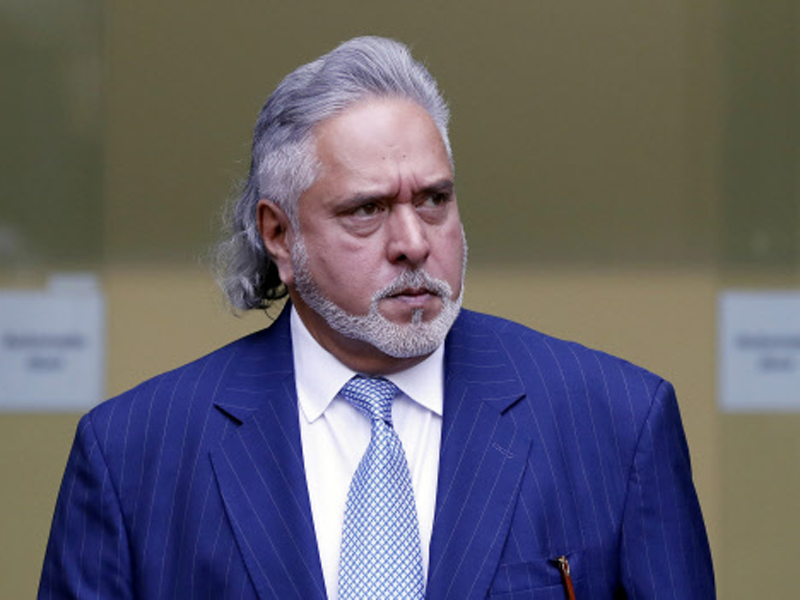
A judgement in the case is not expected until early next year.If the judge rules in favour of extradition at the end of the trial, UK home secretary Amber Rudd must order Mallya's extradition within two months. However, the case can go through a series of court appeals before the actual extradition order can be issued. "The Crown Prosecution Service, acting on behalf of the Indian authorities, will need to demonstrate a prima facie case i.e. produce some evidence to show that the criminal charges against Mr Mallya, for which his extradition is sought, are justified," explains Jasvinder Nakhwal, partner at Peters and Peters Solicitors LLP and member of the UK's Extradition Lawyers Association.India and the UK have an Extradition Treaty dating back to 1992 but so far only one extradition has taken place from the UK to India under the arrangement, that of Samirbhai Vinubhai Patel wanted in connection with the post-Godhra riots of 2002. But, unlike Mallya, he had submitted to the extradition order without a legal challenge.Mallya, who has been based at his Hertfordshire estate called Ladywalk in the village of Tewin, around 30 miles from London, had responded with a firm "no" on being formally asked in court if he consented to being extradited to India on the charges relating to his collapsed Kingfisher Airlines.His extradition trial will now determine whether he can be legally forced to go back to face the Indian courts.
Source: Times of India December 03, 2017 08:48 UTC