


Water for all
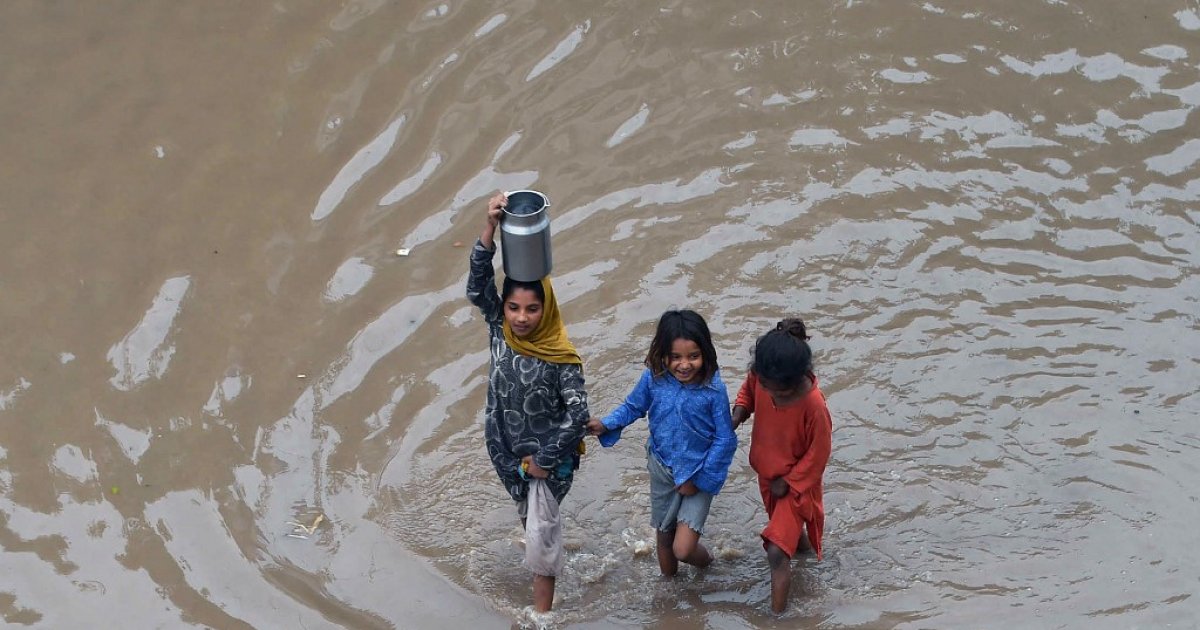
In 2010, the United Nations General Assembly, through Resolution 64/292, explicitly recognized the human rights to water and sanitation as essential to the realization of all human rights. While the Bangladesh Water Act 2013 lists potable water as the "highest priority right," implementation has historically been fragmented and hindered by a lack of political will. The state must also address the "urban-rural divide" in water quality, ensuring that the quality of water in a remote village in Rangpur is as high as that in a high-end neighbourhood in Dhaka. The state should implement a "lifeline tariff" system, under which a basic amount of safe water is provided free of charge or at a highly subsidized rate, as recommended by the UN Special Rapporteur on the human right to safe drinking water. Moving beyond the "charity" mindset, now, safe water is a debt the state owes its citizens.
Source: Dhaka Tribune January 25, 2026 13:10 UTC