Action urged on chemical fertilisers
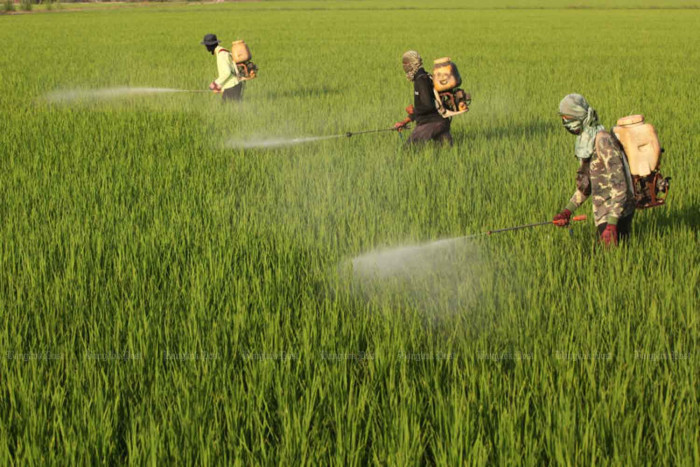
The government has been urged to negotiate with Russia and China to increase imports of chemical fertilisers, warning that any disruption linked to the closure of the Strait of Hormuz could trigger severe shortages in the farm sector and push food prices sharply higher after this month. Worapat Wachirayakorn, a lecturer in agricultural technology at Thammasat University, said Thailand imports more than 40% of its chemical fertilisers through Hormuz from countries such as Saudi Arabia, Oman and Qatar. He also questioned whether current Commerce Ministry schemes -- including "half-half fertiliser," "green-flag fertiliser" and "good soil cards" -- would provide meaningful relief, after the commerce minister reportedly said the country's chemical fertiliser stock would last only until the end of this month. Nitrogen fertiliser is closely tied to energy and natural gas, while phosphate and potash fertilisers rely on different raw materials and supply chains. He warned that if Thailand fails to act now, more than 90% of its agriculture sector, which depends on chemical fertilisers, could face shortages, reducing domestic supplies of rice, meat and vegetables and pushing prices even higher.
Source: Bangkok Post April 07, 2026 22:21 UTC