




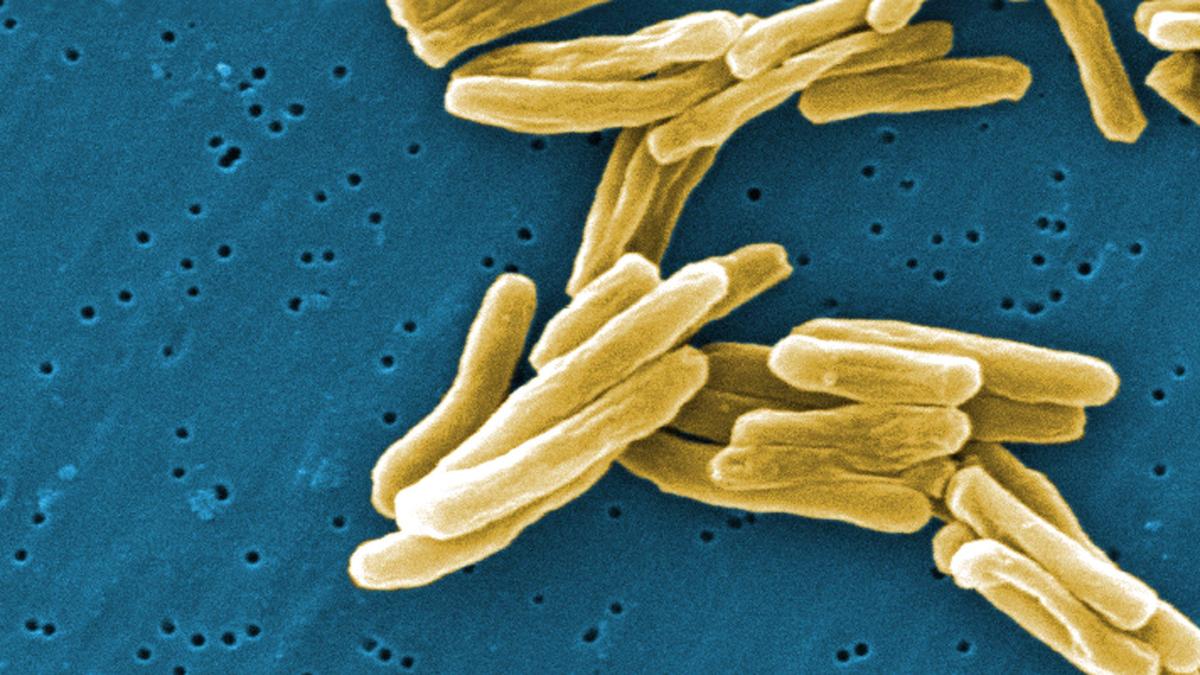
Research identifies new mechanisms to detect and weaken TB bacteria
Emerging research highlights how this bacterium persists for years inside the human body by both manipulating host cells and fine-tuning its internal signalling systems. Research led by Shobhna Kapoor, Indian Institute of Technology Bombay, shows that this membrane is not static. These lipid changes are not just structural they help the bacterium evade immune detection and even resist antibiotics. “This provides a proof of concept that liquid crystal platforms can differentiate between active and latent bacterial species,” she says. Their research shows that the enzymes controlling c-di-AMP are highly conserved across mycobacterial species, hightlighting how important precise regulation is for survival.
Source: The Hindu March 24, 2026 14:00 UTC