




Study finds anopheles mosquitoes began feeding on humans 1.8 million years ago - Telegraph India
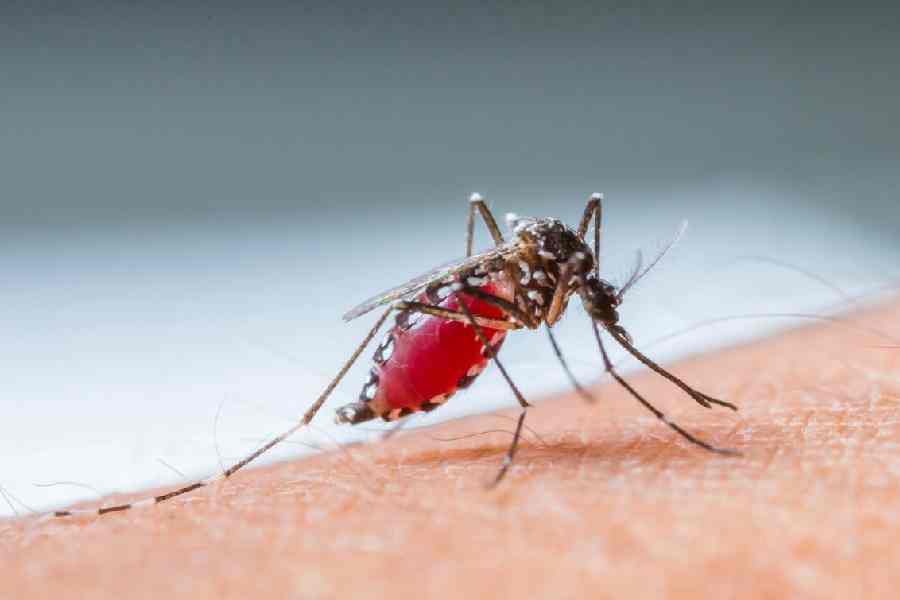
A genetic study on mosquitoes from northeastern India and Southeast Asia has traced the evolution of human-biting preferences in certain species to around 1.8 million years ago. Scientists have found that the malaria-transmitting Anopheles species developed a taste for humans around 2 million years ago, a period overlapping with the arrival of Homo erectus, an extinct ancestral hominin species, into southeast Asia 1.8 million years ago. The mosquitoes’ shift away from feeding on tree-dwelling monkeys to feeding on humans, the study suggests, involved a two-stage process. Then, evolutionary changes leading to a preference for human body odour occurred after Homo erectus arrived in the region 1.8 million years ago. Scientists have known from evidence based on prehistoric stone tools that Homo erectus lived in southeast Asia around 1.8 million years ago.
Source: The Telegraph February 27, 2026 02:04 UTC