



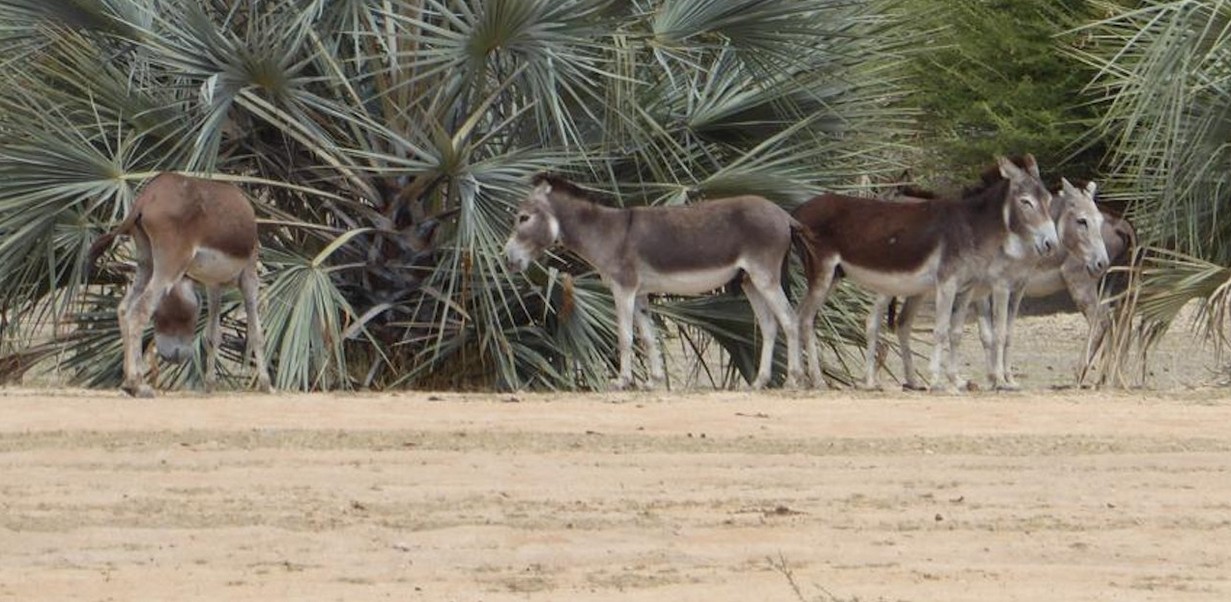
The untold history behind Namibia’s donkeys
Donkeys may seem ordinary in northern Namibia, but their widespread presence reflects a complex history shaped by colonial rule, labor migration, and conservation policy. Introduced in large numbers during the early 20th century, donkeys became essential companions for migrant workers traveling between southern Namibia and the north, prized for their endurance and resistance to disease. Colonial veterinary controls, especially the Red Line, restricted cattle movement but allowed equines to cross, giving donkeys a unique mobility others lacked. Over time, they became vital to rural livelihoods, hauling water, firewood, and goods, even as their social status remained low. Today, donkeys endure as living reminders of Namibia’s colonial borders, economic inequality, and everyday resilience.
Source: The North Africa Journal February 04, 2026 23:18 UTC