


U.S. continues its support for Libya’s civil aviation sector and airport security with US$ 4.5 million training grant
The U.S. is to continue its support for Libya’s civil aviation sector and airport security with US$ 4.5 million training grant. The news was revealed yesterday after a meeting of the Libyan Ministry of Transport steering committee assigned to follow up on the work of the U.S. training company, Culmen International, was held last Thursday, 25 January. During the meeting, in which the Airports Authority participated, it was agreed that the American Embassy would continue its support for the Ministry of Transport by assigning Culmen International to implement specialized training programmes in aviation and airport security through the centre that was established in Libya. It was also agreed that the U.S. would allocate US$ 4.5 million to train employees of Sebha Airport, as it is the main airport in southern Libya. Tweeting on the meeting, the U.S. Embassy said ‘‘The goal is to build Libya’s connections internally and with the rest of the world.
Source:Libya Today
January 27, 2024 19:42 UTC

This state is quickly becoming America's clean energy paradise. Here's how it's happening.
Hawaii pledged to be “Coal free by ’23,” and state law mandates 100% clean energy in just 21 years. The Kapolei Energy Storage facility is tucked away in eight acres of industrial land about 20 miles west of Honolulu. These kinds of grid-scale energy storage systems are becoming increasingly common in the U.S., and are critical to shifting to ever-higher percentages of wind and solar power. But what makes the state stand out is solar power – especially where it comes from. The Kapolei Energy Storage facility can do both, providing what's known as "synthetic inertia."
Source:Libya Today
January 27, 2024 11:37 UTC

Libya’s Sharara Back Online As ‘Suspended’ Protests Highlight Renewed Instability
The 270,000 b/d-capacity Sharara fields in Libya’s far southwest resumed production on 21 January with NOC announcing the lifting of force majeure the same day. The announcement came nearly three weeks after southern protesters with social and political demands forced a full shutdown of Sharara from 3 January, halting supplies of light sweet Sharara crude to the Zawiya terminal and refinery of the same name west of Tripoli (MEES, 5 January). (CONTINUED - 859 WORDS)
Source:Libya Today
January 27, 2024 08:03 UTC

CBL meeting on Tripoli government spending controls for 2024 – report and analysis
A meeting was held yesterday, in the office of the Governor of the Central Bank of Libya (CBL), to follow up on government spending for the year 2024. Analysis and commentIn reality, this ‘‘spending high summit’’ is about who decides how much the Tripoli government spends. It is an ongoing tug-of-war between the Aldabaiba government and the CBL Governor. The CBL Governor wants Aldabaiba to enforce subsidy reforms, increase oil production, increase other tax revenues, and rationalise spending. El-Kaber, Aldabaiba and Menfi have it all to lose.
Source:Libya Today
January 27, 2024 07:11 UTC
Libya Needs More Than Elections to End Its Democratic Odyssey
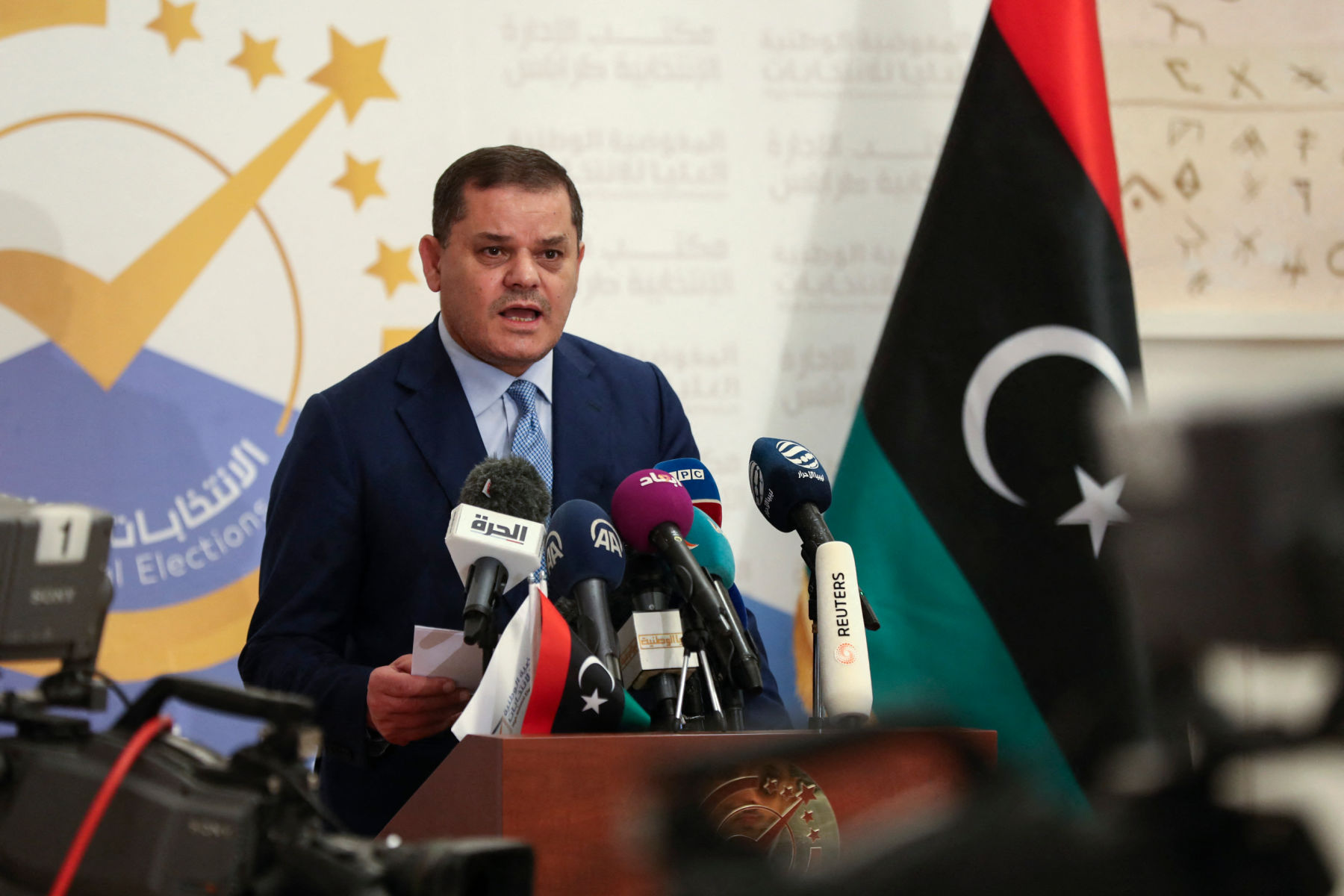
The elections occurred amid escalating tensions right after the Gadhafi regime's fall but before the war to oust Gadhafi had fully ended. That fueled more political discord that eventually erupted in civil war. Instead of being a cornerstone for political continuity and legitimacy, the 2012 elections were a setback for Libya's democratic transition. The House of Representatives elections saw only 18 percent voter turnout, against a backdrop of fear and civil strife. Their ongoing clashes are rooted in disputes and grievances formed during this crucial period between the 2012 and 2014 elections.
Source:Libya Today
January 27, 2024 03:15 UTC

Libya Eyes Oil Comeback Despite Political Divide
Under the dictatorship of Colonel Ghaddafi, Libya’s oil industry experienced highs and lows as relations between Libya and the West regularly shifted. Libya’s oil output rose from 1.47 million bpd in 2000 to nearly 1.8 million bpd in 2010, a trend that was expected to continue. While Oun acknowledged the significant challenges facing the country’s oil industry, he is optimistic about its potential. But Libya will need substantially higher levels of foreign investment to get its oil industry back on track. Libya is highly optimistic about the future of its oil industry, with huge potential to explore untapped reserves and increase output.
Source:Libya Today
January 27, 2024 00:02 UTC

Czech Republic ready to buy Libyan oil now – but Libya needs political stability to increase oil production
Speaking on one of the discussion panels at the Libya Energy and Economic Summit 2024 (Tripoli, 13 to 14 January) Vaclav Bartuska, Ambassador-at-Large / Special Envoy for Energy Security, Ministry of Foreign Affairs of the Czech Republic told the gathered audience that the Czech Republic was ready to buy oil/gas from Libya. The panellists were discussing what were the steps Libya needed to take to increase production. Ambassador Bartuska also confirmed that he had met with Libya’s Minister of Oil and Gas, Mohamed Aoun, during his Libya visit. He said the first condition for Libya to increase oil production is political stability. And when asked how the Czech Republic and the EU can help Libya achieve that stability, he said no one except the Libyans themselves can bring stability to Libya.
Source:Libya Today
January 26, 2024 17:06 UTC
Libya: SLB Snags Upstream Deals
Whilst Libya has struggled to attract the investment and expertise of leading western services firms (MEES, 19 January), the largest such firm SLB (formerly Schlumberger) flags up three key recent Libya deals in its Q4 results on 19 January. SLB says it and local partner National Oil Wells Drilling & Workover Company have won a contract to drill an initial two wells (plus one optional) for Spain’s Repsol. Repsol and partners TotalEnergies, Equinor and OMV plan to kick off a nine-well exploration drilling campaign on their NC-115 and NC-186 ‘Sharara’ blocks in far southwest Libya from April. (CONTINUED - 314 WORDS)
Source:Libya Today
January 26, 2024 16:26 UTC
Joint WB/UN/EU report on damage by Storm Daniel disaster to eastern Libya puts recovery cost at US$ 1.8 billion
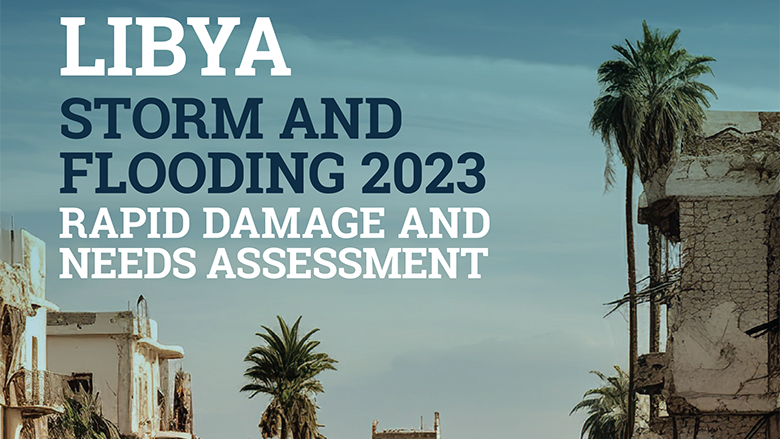
Reconstruction and recovery needs following the catastrophic flooding in eastern Libya last September are estimated at $1.8 billion, according to a new report released Wednesday by the World Bank, the United Nations, and the European Union. The Libya Rapid Damage and Needs Assessment (RDNA) analyses damages and losses – as well as recovery and reconstruction needs – using a globally established methodology across almost all sectors of the Libyan economy. The report estimates 70 per cent of the needed reconstruction costs would be for infrastructure, with housing the largest component. In addition to outlining the recovery and reconstruction needs, the RDNA analyses the cost of physical damages caused by the flooding and the economic losses in its aftermath. The $1.65 billion total of damages and losses account for 3.6 per cent of Libya’s GDP in 2022.
Source:Libya Today
January 26, 2024 12:45 UTC

Find out how you can nominate someone for Furniture Today’s 3rd annual 40 Under 40
HIGH POINT — Furniture Today is seeking nominations for the third annual 40 Under 40 awards. The awards are given to 40 up-and-coming furniture industry leaders under the age of 40, recognizing them for their career achievements and industry involvement. Winners are chosen by the Furniture Today editorial team. Nominees must be at some level of management/leadership within their company and will have demonstrated leadership and contribution to the furniture industry. A profile story is written about each honoree and published in Furniture Today’s annual People Issue, Sept. 2.
Source:Libya Today
January 26, 2024 12:28 UTC
Athens frets at influence of Turkey on Libya
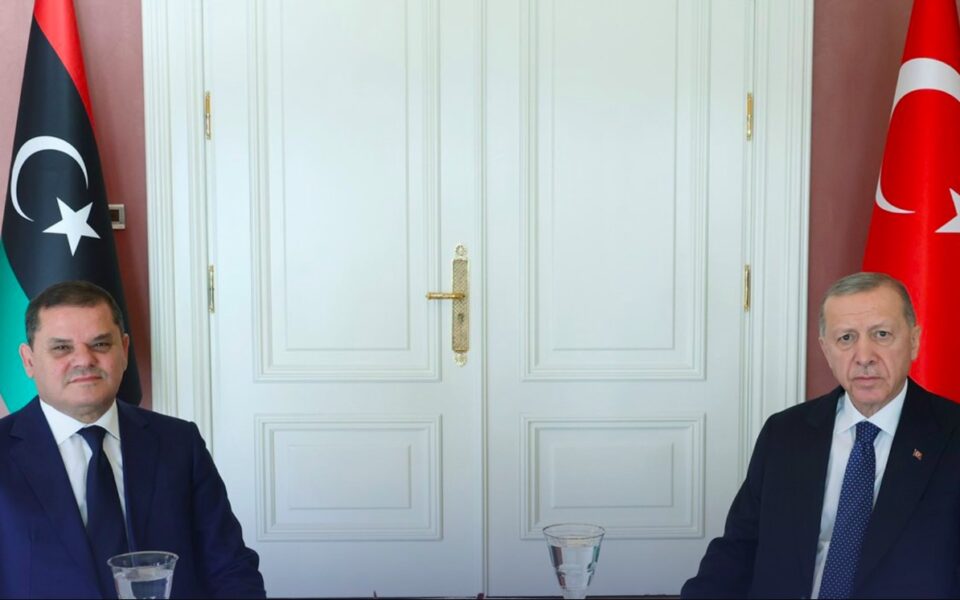
Turkey’s growing influence in Libya is reportedly worrying Athens, especially as tensions between Ankara and Benghazi have eased. This was facilitated by last September’s Storm Daniel, which led to the deaths of thousands of people in Derna and other cities in eastern Libya, prompting humanitarian aid from Turkey, which was welcomed by Benghazi. It should be noted that the Libyan parliament has not ratified the Turkey-Libya maritime memorandum, which encroaches on Greek sovereignty, and this has boosted Athens’ arguments over the agreement’s legality. The problem for Athens is the attitude of its partners toward the Turkish presence in Libya. Also under scrutiny are the recent announcements by Turkish officials about exploiting the “possibilities” offered by the Turko-Libyan Memorandum to Ankara and Tripoli for hydrocarbon exploration south of Crete.
Source:Libya Today
January 26, 2024 11:46 UTC
:quality(70)/cloudfront-eu-central-1.images.arcpublishing.com/thenational/UZQGRON5ZDW5EWG2PQCSSIRG2I.jpg)
Libyan visit an 'important step' in case of Lebanese imam missing for decades
The visit of a Libyan delegation to Beirut this week marks an “important step” in the disappearance of Imam Musa Al Sadr, a prominent Lebanese Shiite cleric who went missing during a trip to Libya in 1978, a Lebanese judicial source told The National. “This is the first time in years that the Libyan side is showing serious signs of co-operation regarding Mr Al Sadr's case,” the source said. The judicial source said that the current talks were first steps to resume co-operation over the case. In 1978, Mr Al Sadr along with an aide and a journalist flew to Libya to meet local officials. This month, Human Rights Watch called for the release of Mr Qaddafi.
Source:Libya Today
January 26, 2024 06:11 UTC
Libya : Central bank governor's tug-of-war with Dabaiba paralyses economy
Africa Intelligence uses cookies to provide reliable and secure features, measure and analyse website traffic and provide support to the website users. Apart from those essential for the proper operation of the website, you can choose which cookies you accept to have stored on your device. Either “Accept and close” to agree to all cookies or go to “Manage cookies” to review your options. You can change these settings at any time by going to our Cookie management page.
Source:Libya Today
January 26, 2024 05:45 UTC
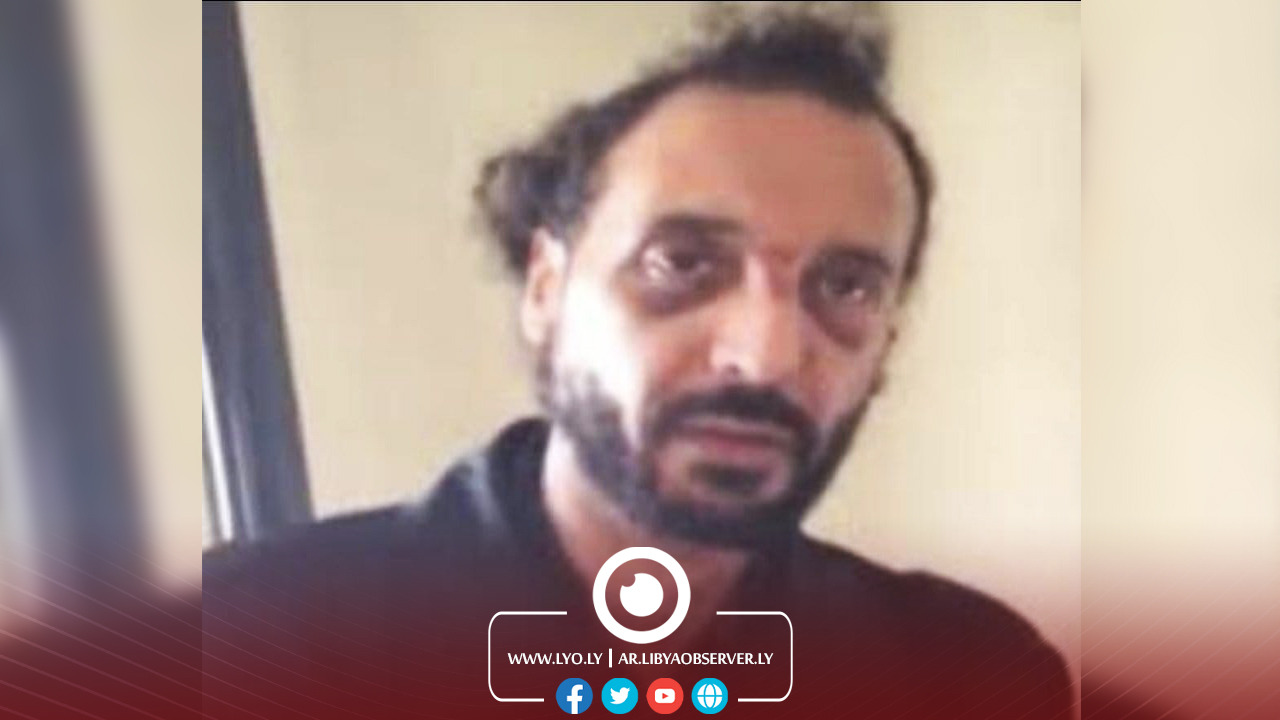
Libyan delegation leaves Beirut without agreement on Hannibal Gaddafi's case
The Associated Press said that a Libyan delegation visited Beirut this week to reopen talks with Lebanese officials about the release of Muammar Gaddafi’s son, Hannibal, who has been detained in Lebanon for years. The agency cited a legal official familiar with the case as saying that the Libyan delegation left Beirut after spending several days in Lebanon, where they met with the Minister of Justice and a judge heading the investigation committee into Al-Sadr’s disappearance. The official described the talks as “positive” but did not say whether they had achieved any results, adding that the delegation is expected to return next week, and that the Lebanese and Libyan authorities are dealing with the two cases separately. Hannibal Gaddafi has been detained in Lebanon since 2015 after being kidnapped from Syria, where he was living as a political refugee. The Lebanese authorities released him and then arrested him, accusing him of concealing information about Al-Sadr’s disappearance.
Source:Libya Observer
January 25, 2024 20:07 UTC
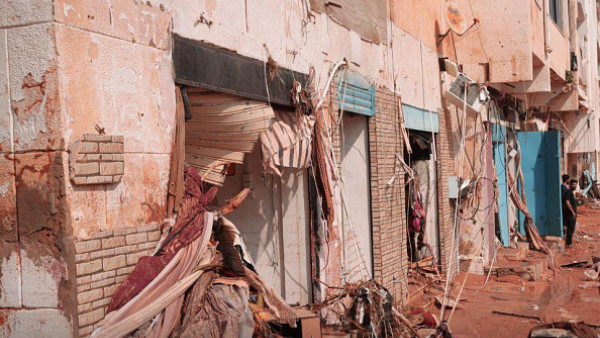
Libya: September flood requires $1.8 bln in recovery funds
Libya's deadly flash flood in September constituted a climate and environmental catastrophe that requires $1.8 billion in reconstruction and recovery, an international report said on Wednesday. Huge swathes of the city of Derna were destroyed in the flood, after heavy rainfall from Storm Daniel crashed through two aging dams, sweeping entire districts into the Mediterranean. Population growth and development downstream, limited weather forecasting in the region and inadequate early warning systems to ensure evacuation accentuated the disaster, the report said. Climate change had made the rainfall unleashed by Storm Daniel up to 50 times more likely and 50 percent more intense, according to the report. Despite calls by the UN for Libya's ruling factions to put aside their differences to formulate a coordinated response to the Derna disaster, there has been little sign they are willing to do so.
Source:Libya Today
January 25, 2024 19:27 UTC